


Blog
🟩 Visa and MasterCard in Iran: Facts and Tips You Should Know About Your Visa and MasterCard in Iran

🟩 Visa and MasterCard in Iran: Facts and Tips You Should Know About Your Visa and MasterCard in Iran
🕌 Introduction
When planning a trip to Iran, most travelers pack their essentials—passport, camera, and their Visa or MasterCard—expecting to use them everywhere as they would in most countries. However, once you land in Iran, you’ll quickly realize that international cards such as Visa and MasterCard do not work in Iran due to international banking sanctions. This is one of the most surprising facts for many tourists visiting the country.
To make your trip smooth and stress-free, it’s important to understand how the banking system in Iran works, what the alternatives are, and how to manage your money efficiently while traveling.
💳 Why Visa and MasterCard Don’t Work in Iran
The most important fact to know is that Visa and MasterCard are not accepted in Iran. Because of international sanctions that have disconnected Iran from the SWIFT global banking network, foreign-issued debit or credit cards cannot be used in Iranian ATMs, hotels, or shops.
That means you can’t withdraw money, pay by card, or even check your balance through an ATM.
In other words, your Visa or MasterCard becomes useless inside Iran, no matter how much money you have on it. For this reason, travelers must plan ahead and bring sufficient cash for the entire trip.
💵 How to Manage Money in Iran Without Visa or MasterCard

Since international cards don’t function in Iran, here are the main alternatives to help you handle money during your stay:
1. Bring Enough Cash (Preferably Euros or USD)
The best and most common solution is to bring your travel funds in cash.
Most tourists bring Euros or U.S. dollars, which are widely accepted for exchange.
Avoid bringing old, damaged, or torn banknotes—money changers (called Sarrafi) only accept clean and new bills.
You can easily exchange your money at official exchange offices in major cities like Tehran, Shiraz, Isfahan, or Mashhad. Hotels and airports also have exchange counters, but they often offer lower rates.
2. Use Iranian Prepaid Travel Cards
In recent years, Iran has introduced local prepaid cards designed specifically for tourists.
These cards, often called Iran Tourist Cards, are issued by local banks in cooperation with travel agencies.
You can load them with your cash (in euros or dollars), and they convert the amount into Iranian Rials.
Then, you can use the card anywhere in Iran—for shopping, dining, or withdrawing cash from ATMs.
Popular examples include:
-
MahCard (tourist-friendly prepaid card)
-
DaricPay
-
IranCard
These options are extremely useful since they help you avoid carrying large amounts of cash while still being accepted almost everywhere inside the country.
3. Rely on Cash Payments
Iran remains a cash-based society, especially for tourists.
You’ll often pay for hotels, transportation, souvenirs, and meals in cash.
Always keep smaller denominations for convenience, and learn to recognize Iranian banknotes.
Remember that locals use Toman, not Rial, in everyday conversations (1 Toman = 10 Rials).
📈 Understanding the Currency Exchange System in Iran
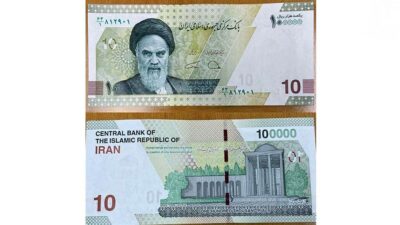
Iran’s currency is officially the Iranian Rial (IRR), but locals use the Toman.
For example, if a shopkeeper says “50,000 Toman,” that equals 500,000 Rials printed on the bill.
This difference can confuse travelers, so always double-check the price before paying.
Exchange rates can fluctuate, so it’s best to check reliable local sources or ask your hotel for the current rate.
Exchanging money on the street is not recommended, as it’s technically illegal and may lead to scams.
🧭 Tips for Using Money in Iran
Here are some essential money-handling tips for travelers in Iran:
-
Always carry enough cash for your daily expenses.
-
Exchange only a small amount at the airport; use city exchange offices for better rates.
-
Divide your money into smaller portions and store them in different places.
-
Ask hotels or locals for the current exchange rate before converting large sums.
-
Get familiar with Iranian banknotes to avoid confusion (for example, 100,000 Rial = 10,000 Toman).
🧾 Overview of Iranian Banknotes and Their Values
Understanding Iranian banknotes will help you handle payments easily.
Here’s a summary of the most common banknotes and their approximate value (as of recent exchange rates):
| Banknote | Value in Toman | Approx. USD Equivalent* | Description |
|---|---|---|---|
| 10,000 Rial | 1,000 Toman | $0.02 | Light red color, features Imam Khomeini |
| 50,000 Rial | 5,000 Toman | $0.10 | Greenish tone, very common |
| 100,000 Rial | 10,000 Toman | $0.20 | Blue color, often used for small transactions |
| 500,000 Rial | 50,000 Toman | ~$1 | Purple banknote, widely used |
| 1,000,000 Rial (Travel Cheque) | 100,000 Toman | ~$2 | Used for higher-value purchases |
*Values fluctuate depending on market rates.
Each note features Persian text, so recognizing the number patterns (for example “۱۰۰۰۰۰”) is helpful for quick payments.
🧳 The Other Type of Visa: Tourist Visa for Iran
Now that we’ve covered Visa and MasterCard in Iran, let’s talk about the other kind of visa—the one that actually lets you enter the country.
Obtaining an Iran Tourist Visa is generally straightforward, and the country has made major improvements in recent years to attract travelers.
🛂 Types of Iranian Tourist Visas
-
Tourist Visa (Type B)
-
The most common visa for travelers.
-
Allows stays of up to 30 days, with the possibility of extension up to 90 days.
-
-
Visa on Arrival (VOA)
-
Available at several international airports such as Tehran (IKA), Shiraz, Isfahan, and Kish Island.
-
Not all nationalities are eligible; citizens of the U.S., U.K., and Canada must apply in advance.
-
-
E-Visa (Electronic Visa)
-
You can apply online via the official Iranian e-visa website (e_visa.mfa.ir) before your trip.
-
The process usually takes 3–10 working days.
-
📋 Requirements for the Iran Tourist Visa
When applying for a tourist visa, you typically need:
-
A valid passport (with at least 6 months validity)
-
A passport-sized photo
-
Travel insurance valid in Iran
-
Proof of accommodation (hotel booking or host invitation)
-
Return flight ticket
-
Visa fee (varies by nationality)
For most travelers, the process is simple and can be handled either online or through an Iranian embassy.
🕒 Duration and Extension
A tourist visa is normally valid for 30 days but can be extended twice, up to a total of 90 days.
Visa extensions are handled at immigration offices in major cities such as Tehran, Shiraz, or Mashhad.
🌍 Visa Exemptions
Citizens of some countries can enter Iran visa-free, including:
-
Turkey (up to 90 days)
-
Armenia (up to 90 days)
-
Georgia (up to 45 days)
-
Malaysia, Syria, Azerbaijan, Lebanon, Bolivia (for limited durations)
However, always check the latest regulations before traveling, as visa policies may change.
🧠 Tips for a Smooth Visa Application Process
-
Apply at least 2–3 weeks before your trip.
-
Make sure your passport photos meet Iran’s official requirements (headscarf for women).
-
Carry a printed copy of your visa approval letter when boarding your flight.
-
Have the address and phone number of your hotel or host ready for immigration officers.
-
Use authorized travel agencies if you want help with faster visa processing.
🌐 Combining Both: Financial and Entry Preparation
To summarize, visiting Iran requires two key preparations:
-
Understanding Visa and MasterCard in Iran — realizing that your international cards won’t work and preparing with cash or prepaid local cards.
-
Securing your Iranian tourist visa before arrival or at the airport, depending on your nationality.
If you plan these two steps properly, you’ll have no financial or entry-related problems during your trip.
🌸 Final Thoughts
Iran is one of the most fascinating travel destinations in the world—rich in culture, history, and hospitality.
But because Visa and MasterCard do not work in Iran, travelers need to plan their finances carefully before arrival.
Bring enough cash, consider getting a tourist prepaid card, and understand the visa process to ensure a smooth journey.
By preparing ahead, you can focus on what truly matters—enjoying Iran’s culture, architecture, and people—without worrying about money or paperwork.