

Blog
Understanding Iran’s Currency: Rial, Toman, and Common Mistakes Tourists Make

💰 Understanding Iran’s Currency: Rial, Toman, and Common Mistakes Tourists Make
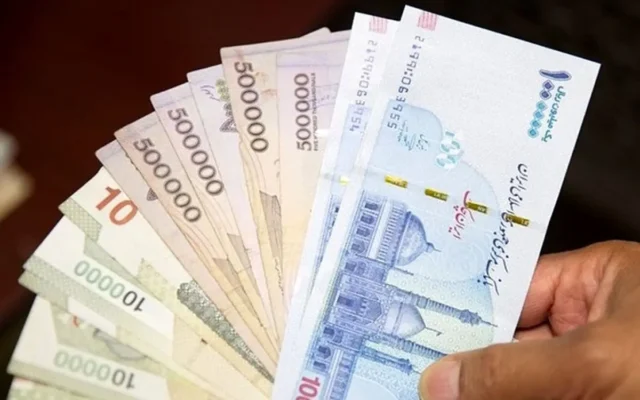
When you travel to Iran, one of the first things that might confuse you is money. The Iranian currency system is unlike that of most other countries — not because of its design or denominations, but because of the difference between the official and commonly used units. If you’ve ever seen prices written in two different ways or wondered why locals seem to “drop a zero” when speaking, you’re not alone.
In this article, we’ll explain everything you need to know about Iran’s currency, the difference between Rial and Toman, common mistakes tourists make, and a guide to recognizing Iranian banknotes, including their value and design.
🇮🇷 1. The Official Currency of Iran
The official Iran’s Currency is the Rial (IRR). You’ll find this written on all banknotes, coins, and in official documents. However, in daily life, Iranians almost never use the word “Rial.” Instead, they use a more practical and shorter unit: the Toman.
1 Toman = 10 Rials
This means that when an Iranian says something costs “100,000 Tomans,” the official written price will actually be 1,000,000 Rials.
It’s an easy system once you understand it, but for tourists who just arrived, it can be incredibly confusing — especially when prices are written in Rials but spoken in Tomans.
💡 2. Rial vs Toman — Why the Difference Exists
The distinction between Rial and Toman goes back to Iran’s monetary history.
The Toman was originally used as the official currency during the Qajar dynasty (19th century). Later, in the 1930s, it was replaced by the Rial.
However, the word “Toman” remained deeply rooted in everyday speech. Even though the government officially uses Rials, most people — from taxi drivers to shopkeepers — still use Tomans in conversation.
So in practice:
-
Prices on receipts, bills, and banknotes are written in Rials.
-
Prices spoken aloud or displayed in shops are usually in Tomans.
⚠️ 3. Common Mistakes Tourists Make with Iran’s Currency
If you’re visiting Iran for the first time, these are the most frequent mistakes travelers make:
❌ Mistake #1: Confusing Rial and Toman
A tourist might see “1,000,000” on a price tag and assume it’s 1 million Tomans. But in reality, that’s 100,000 Tomans (around 2 USD at current exchange rates). Always ask whether the price is in Tomans or Rials before paying.
❌ Mistake #2: Forgetting to Remove a Zero
Many Iranians casually remove a zero when speaking. For example, someone might say “It’s 50” when they mean 50,000 Tomans, not 50 Rials! You’ll quickly learn that locals tend to simplify numbers in conversation.
❌ Mistake #3: Paying in the Wrong Amount
If you hand over a 100,000 Rial note thinking it’s 100,000 Tomans, you’ll be paying ten times less than what you owe — and it could cause awkward confusion.
❌ Mistake #4: Misunderstanding Exchange Rates
Currency exchange offices (called Sarrafi) display rates in Rials. For example, 1 USD = 1080000 Rials (as of late 2025). But remember, that’s 108000 Tomans.
Always double-check whether prices or conversions are in Rials or Tomans to avoid overpaying or underpaying.
🏦 4. Understanding Iranian Banknotes and Their Appearance
Iranian banknotes come in several denominations, with distinctive colors and designs that reflect Iran’s history, culture, and national symbols. Let’s take a closer look at the most common notes you’ll encounter during your travels:
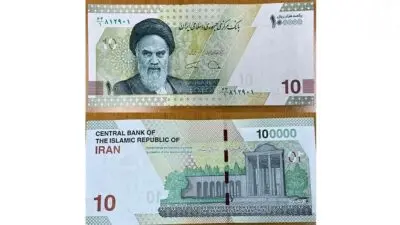
💵 10,000 Toman Note (100,000 Rials)
-
Color: Blue-green
-
Front Design: Portrait of Ayatollah Ruhollah Khomeini, the founder of the Islamic Republic.
-
Back Design: Usually features architectural or historical landmarks, such as the Masjid-e Shah (Shah Mosque) in Isfahan.
-
Usage: One of the most frequently used banknotes for small purchases — like a short taxi ride, snacks, or local market shopping.
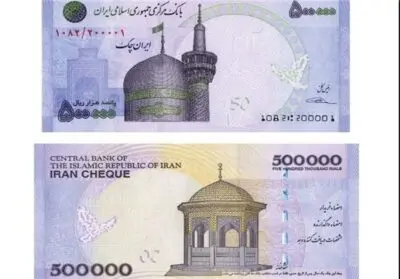
💶 50,000 Toman Note (500,000 Rials)
-
Color: Orange or light brown or Purple Blue
-
Front Design: Also shows Ayatollah Khomeini.
-
Back Design: Often features symbols of Iranian progress, such as scientific institutions, national buildings, or the Mount Damavand motif..
-
Usage: Commonly used for moderate expenses — like restaurant meals, domestic flights, or entrance tickets to tourist sites.
This is also sometimes called a “Travel Cheque” or Traveler’s Banknote, though in modern Iran, it’s just a large-value note.
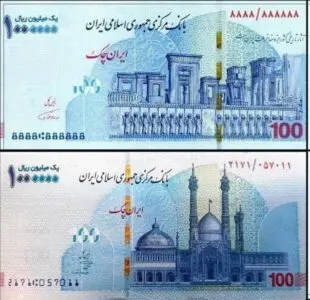
💷 100,000 Toman Note (1,000,000 Rials)
-
Color: Blue
-
Front Design: Portrait of Ayatollah Khomeini
-
Back Design: Features iconic landmarks such as Azadi Tower in Tehran or other national monuments.
-
Usage: The highest-value common note in circulation — perfect for paying hotels, larger purchases, or intercity transportation.
Many tourists refer to this note as a “big green note” because of its color and size.
💴 Other Common Banknotes
-
1,000 Tomans (10,000 Rials) – Green, used for small items or change.
-
2,000 Tomans (20,000 Rials) – Blue, quite rare now.
-
5,000 Tomans (50,000 Rials) – Yellow or olive, useful for small rides or tips.
-
500,000 Toman (5,000,000 Rials) commemorative note – Recently introduced, but less commonly seen.
🧾 5. Visual Clues and Anti-Counterfeit Features
Iranian banknotes have several security features, including:
-
Watermarks (usually the face of Khomeini visible when held up to light)
-
Security threads that change color under light
-
Microprinting with tiny, difficult-to-reproduce designs
-
Tactile printing to help the visually impaired recognize notes
When exchanging money, always use official exchange offices and avoid street dealers, as counterfeit notes can occasionally appear.
🪙 6. What About Coins?
Coins are used much less frequently in modern Iran due to inflation. You might still see:
-
500 Rials (50 Tomans)
-
1,000 Rials (100 Tomans)
-
2,000 Rials (200 Tomans)
Most locals prefer to round prices up to the nearest 1,000 Tomans, so coins rarely play a major role in daily transactions.
💳 7. Credit Cards and Payment Methods in Iran
International credit cards (Visa, Mastercard, etc.) do not work in Iran due to banking sanctions. Tourists should bring cash (USD or EUR) and exchange it upon arrival.
However, some travel agencies offer tourist debit cards that can be loaded with local currency. This is safer than carrying large amounts of cash.
📈 8. Inflation and the Future of Iran’s Currency
Due to years of inflation, Iran’s government has announced plans to officially replace the Rial with the Toman, removing four zeros from the currency.
For example:
-
10,000 Rials → becomes 1 new Toman
This transition is still gradual, but it reflects how the public already uses Tomans informally.
🧠 9. Practical Tips for Handling Money in Iran
-
Always clarify: Ask “Toman or Rial?” before paying.
-
Use apps: Some currency converter apps include both Rials and Tomans.
-
Count the zeros: A “1,000,000” note is actually 100,000 Tomans.
-
Carry small bills: Many taxis or small shops don’t have change for big notes.
-
Exchange safely: Use official “Sarrafi” offices — not people on the street.
-
Keep cash handy: Card payments are not an option for foreigners.
🌍 10. Conclusion — Mastering Iran’s Currency System
At first, Iran’s money may seem complicated, but after a few days, it becomes intuitive. Just remember that Rial is official, Toman is practical, and a zero is always missing in conversation.
Understanding this system not only prevents mistakes but also helps you connect better with locals — showing respect for their culture and daily realities.
So, before you hand over your next bill, take a second look at those zeros — because in Iran, one zero can make all the difference.